East Gippsland Shire Council is taking action to cut greenhouse gas emissions and transition to clean energy. Our goal is net zero corporate emissions by 2032, supported by projects that improve energy efficiency, electrify buildings, and expand renewable energy use.
Through initiatives like the VECO renewable energy program, solar monitoring, and electric vehicle charging stations, we’re reducing costs and carbon while building long-term resilience. We also work with communities on energy programs that boost reliability and sustainability.
Explore this section to learn about Council projects, community programs, and practical steps for a cleaner, more energy-smart future.
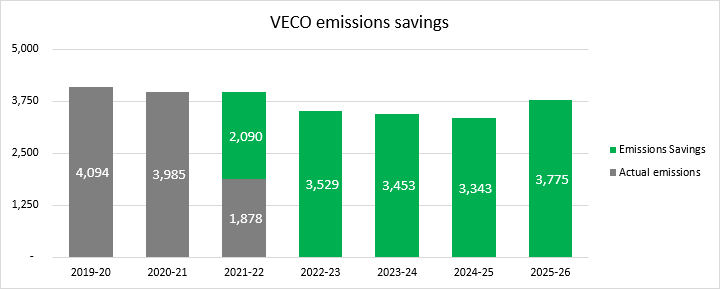
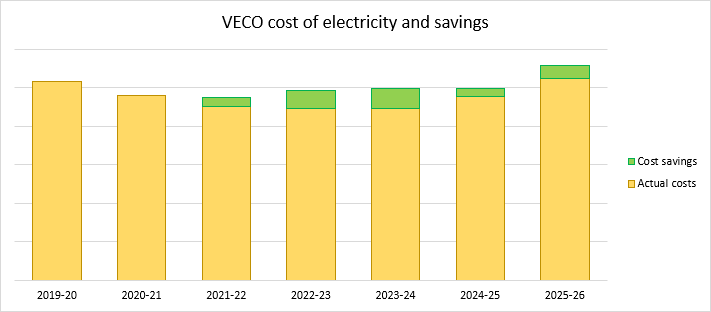
We commenced our VECO power purchase agreement in December 2021, securing discounted electricity rates and sourced from 100% renewable energy. Since the agreement began, we have saved nearly $250,000 and reduced greenhouse gas emissions by over 12,000 tonnes.
This initiative aligns with our Environmental Sustainability Strategy 2022–2032, which outlines a commitment to managing climate change impacts, achieving sustainable resource use, and living within the capacity of the local environment. By participating in VECO we are not only reducing our carbon footprint but also contributing to a broader shift toward clean energy across the region.

East Gippsland Shire Council is committed to a cleaner, more sustainable future. We recognise the urgent need to reduce greenhouse gas emissions and are taking strong action to reach net zero corporate emissions by 2032.
As a Council, we’re focused on reducing emissions from the things we control – including our buildings, fleet vehicles, public facilities, and operations. Achieving net zero means we will cut emissions as much as possible
Reducing emissions is about more than climate targets. It’s about protecting what makes East Gippsland special – our landscapes, biodiversity, and communities – for generations to come. It also means healthier environments, greater energy resilience and potential long-term cost savings.
As part of our commitment to environmental sustainability and reaching net zero Council emissions by 2032, we are delivering a range of projects that improve energy efficiency, reduce carbon emissions, and build long-term resilience across our operations.
We are planning upgrades to phase out gas heating systems in Council-owned buildings. These works will include installing electric heat pumps, induction appliances, and improving building insulation, making facilities more energy-efficient, fully electric and aligned with our transition to renewable energy.
Council is progressively transitioning its vehicle fleet to low-emission and electric vehicles (EVs). Charging infrastructure is also being rolled out across key Council sites to support this shift and encourage broader community uptake of EVs.
We’re using utility and emissions monitoring systems to track usage across Council buildings in real time. This data helps us identify discrepencies, adjust operations, and make informed decisions about future upgrades.
We are exploring the use of geothermal (ground-source) energy systems to replace gas. This feasibility project will assess the potential for using the resource and help cut reliance on fossil fuels and support our net zero goal.
Reliable power supply during extreme weather events was raised as an issue of concern following the Black Summer bushfires. Council is working with the Victorian Government, AusNet and communities in Omeo, Mallacoota, and Corryong to increase their bushfire and energy resilience through a Community Microgrids and Sustainable Energy Program.
The program is bringing solar power, batteries, diesel generators, advanced microgrids and other energy infrastructure to increase access to locally generated energy and storage. It will deliver a cluster of subsidised energy systems to provide increased energy security during network outages and emergencies like storms, heatwaves, or bushfire. Installations are underway in a range of buildings. Included are Council's service centres and recreation reserves, which will be able to play a greater role during emergencies. These systems have been installed and are fully operational.
Some sites have been combined into a multiple sites combined live display.
If you want to see how solar panels are installed, here is a video of the Bairnsdale Aquatic and Recreation installation.
Facility name: Bairnsdale Aquatic and Recreation Centre
Solar system size: 99
Predicted savings per year: $13,000
Tonnes avoided CO2-e pa: 130
A network of electric vehicle (EV) charging stations has been installed in public carparks across East Gippsland.
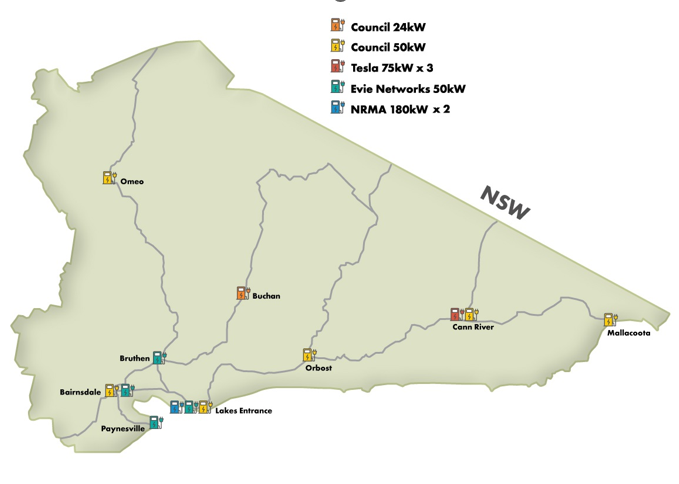
We have installed six public EV charging stations. Each charger is a 50kW DC unit with a dual plug (CCS2 and CHAdeMO), except in Buchan where a smaller 24kW DC unit has been installed.
The following Council chargers are now available on the Chargefox network for the public to use (fees apply):
Bairnsdale: Nicholson Street carpark (near St Mary's Church and McDonalds)
Buchan: Main Road - note this is a 24kW DC dual plug unit
Cann River: Ward Street near Mick Baum Park
Lakes Entrance: library carpark
Mallacoota: 4 Greer Street
Orbost: 5 Wolseley St carpark (near the toilet and SES building)
Omeo: Tongio Road (100m south of Day Ave)
In addition, Council also is working with third-party providers Tesla, NRMA and Evie Networks to augment the public charging network across East Gippsland.
A comprehensive list of public chargers is listed on the Plugshare website.

Homeowners and now renters may be eligible to install a solar panel system and get a significant reduction via a rebate.
The Victorian Government program called Solar Homes, is now providing the following significant rebates:
There are also a four year zero interest loan if the upfront cost is unaffordable. Make sure to do your homework and be wary of scams. Contact Solar Homes solar.vic.gov.au for more information.

Learn ways to reduce your electricity bills from Sustainability Victoria or the Victorian Energy Saver program.
And sign up for one of our interactive webinars covering solar and batteries, energy efficiency, and sustainable building design at Sustainable Living Series.
Download the Smart Living Guide for East Gippsland residents.
Greenhouse Gas Emissions Reduction Plan 2024-2032
We are taking action to address climate change through our Greenhouse Gas Emissions Reduction Plan. The plan sets out a clear pathway to reduce our emissions and reach corporate net zero by 2032, while improving efficiency and lowering long-term costs.
The plan focuses on practical steps to reduce emissions at their source. It uses recognised methods to measure emissions and assess costs, helping ensure decisions deliver environmental benefits and value for money. Many of the actions will seek to reduce energy use and support a shift to renewable energy.
Guided by state and national targets, we are committed to reducing emissions and managing climate risks. See more at: Emissions Reduction Action Plan 2024-2032
There are many opportunities for small and medium-sized businesses to become more energy efficient. Many business tenants are moving into or asking for green buildings. Improved comfort conditions from more natural light and ventilation, greater thermal control and unwanted noise reduction, leads to better staff productivity.