Under the Road Management Act, Council must keep a register of public roads for which it is the coordinating authority, see the Public Road Register below. This list is updated four times a year.
Road Safety Week is an annual initiative from the Safer Australian Roads and Highway (SARAH) Group. The week highlights the impact of road trauma and ways to reduce it. Find out more at roadsafetyweek.com.au.
Our roadside slashing program is a key part of our fire prevention and road safety responsibilities. The program focuses on reducing grass fuel loads along roadsides and reserves to help limit the spread of grassfires and bushfires, while also improving visibility and safety for road users.
The scale of roadside vegetation management in our shire is significant. We maintain approximately 6,000 kilometres of roadside and assess a core of program more than 1,000 roads and reserves each year as part of our fire-prevention activities. Additional sites and works are completed throughout the season in response to changing fire risk, seasonal conditions, customer requests and other identified needs.
Works are generally undertaken from spring through to early summer, with additional works undertaken where required. Timing can vary depending on seasonal conditions, grass growth and weather patterns.
Rather than undertaking broad fence-to-fence slashing across the municipality, we generally slash to one metre beyond guideposts on designated Council-managed roads. Grass is typically cut to a height of approximately 100 millimetres.
Broader treatments, including fence-to-fence slashing, may be undertaken at approved locations where specific fire prevention, road safety, operational or land management requirements warrant it. These treatments are assessed on a site-by-site basis and are not always appropriate or permissible where environmental values, significant flora, native vegetation controls or other legislative requirements apply. CFA local knowledge also helps inform priorities.
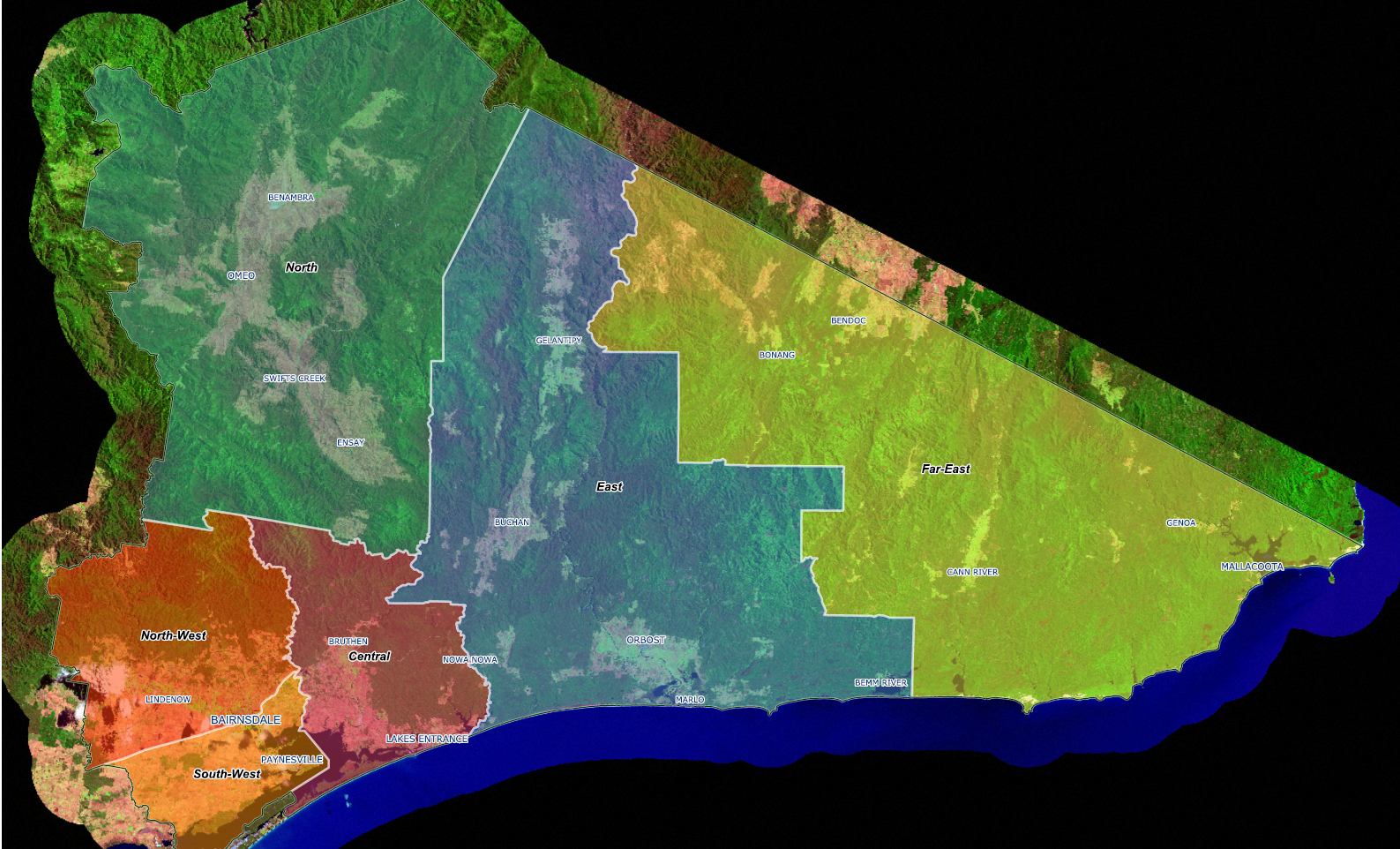
The program is delivered across the municipality in stages and remains flexible so works can be adjusted in response to changing conditions. Priorities are regularly reviewed throughout the season to ensure the highest-risk areas are treated as effectively as possible.
Guiding Principles
Fire Prevention
Reducing fuel loads on roadsides remains one of the program's primary objectives. Slashing helps remove grass and other vegetation that could contribute to the rapid spread of fire along transport corridors and through communities. The program forms an important part of our broader fire preparedness efforts.
Road Safety
Roadside vegetation management also supports safer roads by improving sight distances for motorists, allowing safer use of road shoulders, maintaining visibility of signs and reducing risks around bends, intersections, crests and other high-risk locations. Additional clearance may be provided where visibility is particularly important.
Environmental Protection
Our shire's roadsides contain significant biodiversity values and form an important part of the region's natural environment. Roadside vegetation provides habitat, landscape value, erosion control and ecological connections across the broader landscape. We seek to reduce fire risk while protecting these values wherever possible.
Risk-based Decision Making
The roadside slashing program is not applied uniformly across the shire. Roads and reserves are assessed and prioritised according to factors such as fire risk, vegetation growth, road function, surrounding land use and local conditions. This ensures available resources are directed to areas of greatest need.
How Priorities are Determined
Each year, more than 1,000 roads and reserves are assessed and scheduled for treatment. Priority is generally given to higher-risk locations such as township edges, major tourist destinations, and heavily vegetated corridors where fire risk is greatest.
Operationally, sequencing is influenced by risk, seasonal conditions, geographic programming and equipment requirements.
Weather conditions, seasonal growth rates, grass curing and site access all influence the order and timing of works. As a result, the program is regularly adjusted throughout the season to respond to changing conditions.